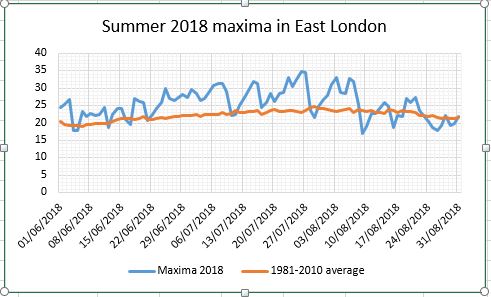
The results are in and statistics show that this summer was the second hottest in a local record going back to 1797. The mean temperature of 19.57C was 2.4C warmer than average, just six hundredths of a degree cooler than the summer of 2003.
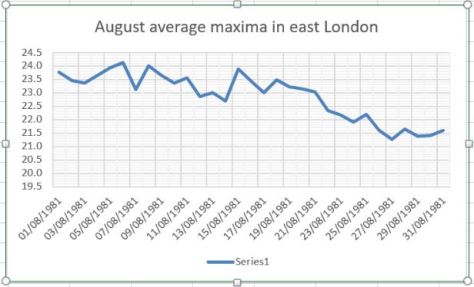
A sustained period of heat that continued the theme of the hot late spring was enough to see a new entry into the hottest-ever list of heatwaves. But the hottest weather was over by the end of July, August being very disappointing compared with the first two months of summer.
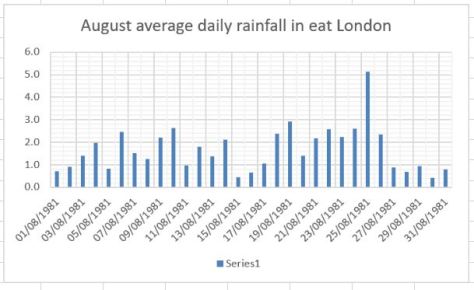
It was also the driest summer for 15 years. Just 87mm were recorded, that’s 60 per cent of average and just 7mm wetter than the historic summer of 2003, the year the UK’s highest temperature record was set.
It was the sunniest summer for 5 years: 663 hours of sunshine were recorded, over 100 hours less than 1976, the 24th sunniest summer since 1881.
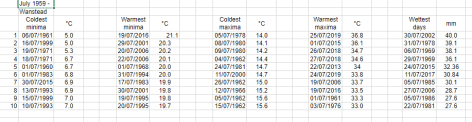
Hottest day: 34.7C (26/7)
Coolest day: 17C (9/8)
Warmest night: 19.7C (26/7)
Coolest night: 6.4C (12/6)
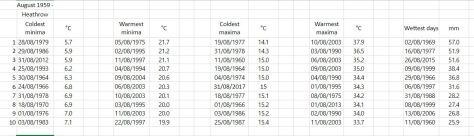
Wettest day: 13.9mm (16/8)


Summary for period 01/06/2018 to 31/08/2018




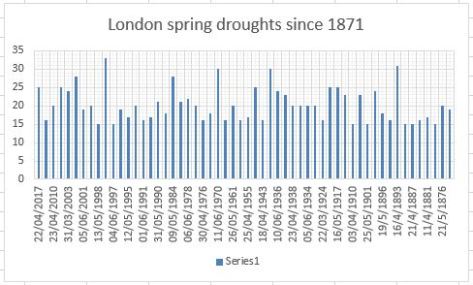
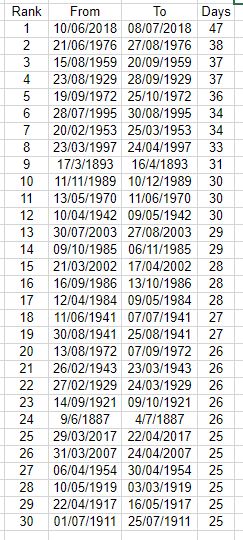 There are many descriptions of drought but the one I am using here, for sheer simplicity of comparison back to 1871, is the definition used up until the 1990s; that is 15 consecutive days with less than 0.25mm (0.01 inches) rain on any one day.




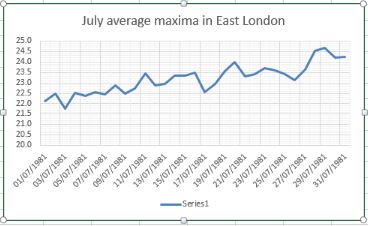 In terms of climatology July maxima, considering the 1981-2010 average, shows a fairly steady increase through the month, though around the 17th there is often a dip before a warm end. This would reflect the July heatwave singularity which occurs every year at 80 per cent probability.


 In terms of climatology June maxima, considering the 1981-2010 average, shows a gradual increase through the month, though around the 19th to the 21st there is often a dip before a warm end. This would reflect the June Monsoon which occurs every year at 77 per cent probability.




 Wanstead Meteo
You must be logged in to post a comment.